Plumbing · South Sioux City, NE
Technicians follow the same sequence of checks on every unit. Findings are recorded so the homeowner receives a clear summary of what was observed and what remains unchanged.
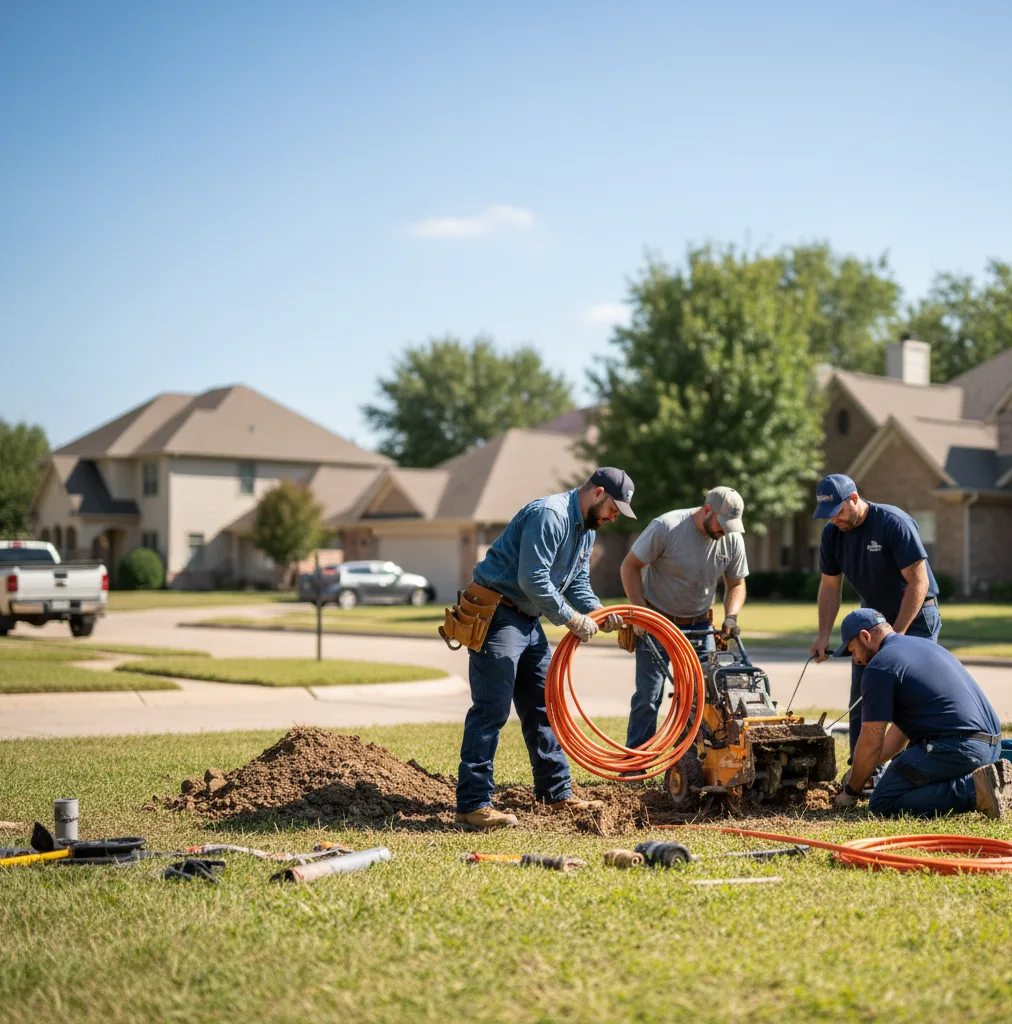
Homeowners often notice changes in water temperature consistency or hear rumbling sounds from the tank. Sediment layers at the bottom usually cause these signals and interfere with heating elements, prompting water heater repair. A maintenance visit begins with a visual check of the exterior, followed by listening for internal activity while the unit cycles. The anode rod is examined for remaining material, since corrosion here can allow the tank walls to deteriorate faster. Connections around the inlet and outlet pipes are tightened if movement is detected. Temperature and pressure relief valves are manually operated to confirm they open and close without sticking. Any small leaks at fittings are noted and addressed before they enlarge. The process concludes with a review of the thermostat settings to ensure they match the household's typical demand.
The flue or vent pipe is inspected for blockages that could affect combustion or airflow as part of water heater inspection. Electrical connections on the upper and lower heating elements are tested for secure contact and correct voltage readings. The expansion tank, when present, is checked for proper air charge so it can absorb pressure spikes. Gas models receive a burner assembly cleaning to remove dust that restricts flame pattern. After these steps, the unit is returned to normal operation and the homeowner receives a summary of findings.
The type of soil under a house decides how much its foundation moves over the years. Homes here rest on clay loam.
Water heaters must handle the supply that comes from local taps. Taps in South Sioux City deliver very hard water. Weather patterns influence how systems hold up through the seasons. This town has warm summers and hard winters, around 35 inches of snow a year, and 153 nights below freezing. Regular service visits address efficiency and any buildup that develops.
FAQ

Most units have an accessible dial or digital control. Lowering the setting a few degrees can reduce energy use, but turning it too high risks scalding and added wear on components. Always turn off power or gas before adjusting internal parts, and verify the pressure relief valve still operates afterward. If you are unsure about the procedure, have a technician demonstrate the correct steps during a service visit.
Popping or rumbling usually comes from steam bubbles moving through sediment that has settled at the bottom of the tank. Over time this layer insulates the water from the heat source and forces the burner or element to work harder. Flushing the tank removes much of the sediment, though heavy buildup may require more than one flush or a professional cleaning. If the noise continues after flushing, the anode rod or heating components may also need attention.
Age is the first factor. Most residential tanks last ten to fifteen years. Visible rust on the exterior, repeated leaks, or water that stays warm only briefly are signs the tank itself is failing. When repair costs approach half the price of a new unit, replacement is usually the better long-term choice. We check the model number and condition on site before giving a recommendation.
Water Heater Repair & Plumber across South Sioux City, NE. Call (970) 528-5707.
Call (970) 528-5707